An Introduction to Outdoor Wedding Planning

There’s something undeniably beautiful about an outdoor wedding. The natural light. The open air. The way a space feels expansive, effortless, and connected to its surroundings. Especially here along the coast, outdoor weddings are often what couples envision from the very beginning. But what many couples don’t realize is this: An outdoor wedding that feels effortless is almost never effortless to plan.
Behind every seamless ceremony under the oaks or perfectly lit tented reception is a series of thoughtful decisions, contingency plans, and careful coordination that ensure the experience feels just as beautiful as it looks. If you’re planning an outdoor wedding, here’s what you need to know to do it well.

Weather Isn’t a “What If”, It’s a When
One of the biggest misconceptions is treating weather as a backup scenario instead of a guaranteed variable.
Especially in coastal and Southern climates, conditions can shift quickly:
A sunny morning can turn into an afternoon storm
Humidity can change how everything feels
Wind can impact setup, décor, and comfort
The goal isn’t to avoid weather, it’s to be prepared for it in a way that doesn’t compromise your design or guest experience.
What this looks like in practice:
A rain plan that feels just as intentional as your original vision
Tent options selected before you need them, not last minute
Flexible layouts that can shift without disrupting flow
When your backup plan is thoughtfully designed, it never feels like a second choice.

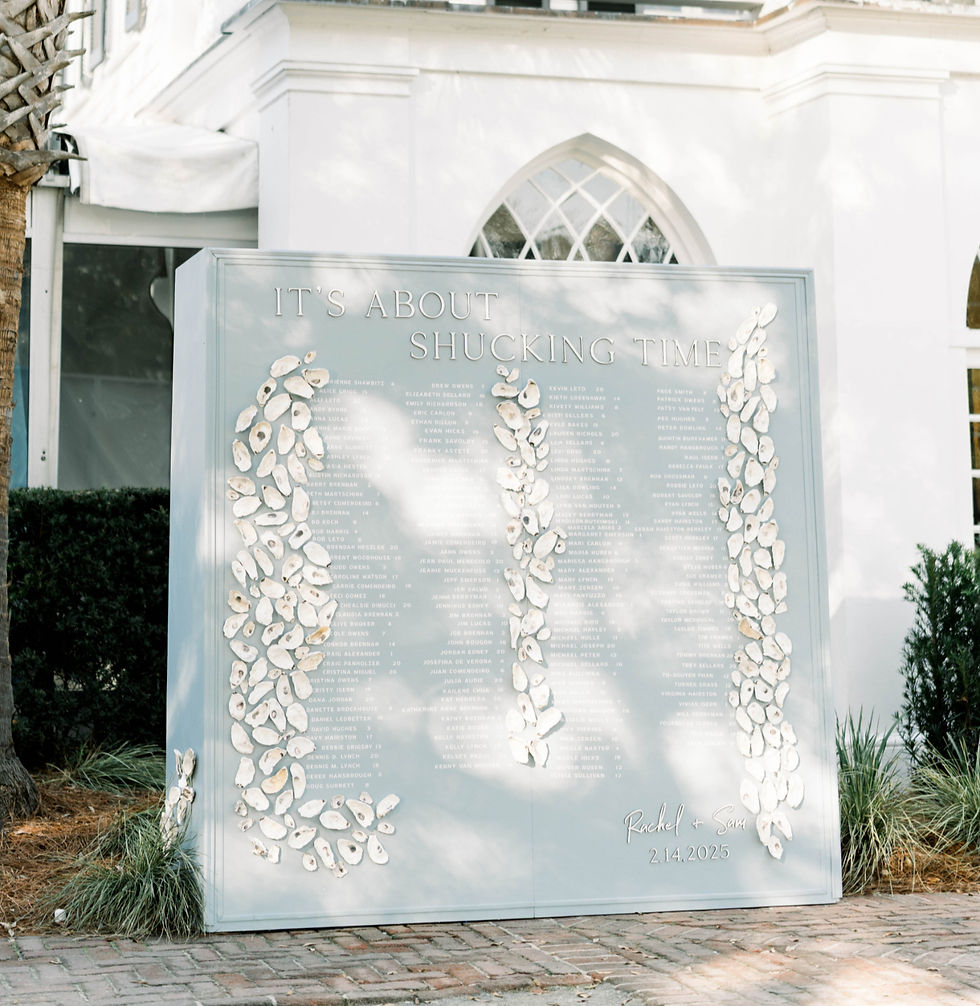
Photo by: Shved Photo
Your Environment Affects Every Design Decision
Outdoor weddings aren’t just indoor weddings moved outside.
Every element from florals to linens to stationery needs to work with the environment, not against it.
Things couples often don’t consider:
Lightweight paper goods can blow away
Certain florals don’t hold up in heat or humidity
Tall, unstable décor can be affected by wind
Candles may require hurricane glass or alternatives
Designing for an outdoor setting means selecting materials and elements that are both beautiful and functional.
This is where experience matters. Knowing what will actually hold up throughout the entire event, not just for photos.

Timing Is More Critical Outdoors
Lighting is everything and outdoors, you don’t control it.
The difference between a 4:30 PM ceremony and a 6:30 PM ceremony can completely change:
The look of your photos
Guest comfort
The overall atmosphere of your day
Key considerations:
Avoiding harsh overhead sun for ceremonies
Aligning your timeline with sunset for optimal lighting
Transitioning into evening with intentional lighting (string lights, candles, etc.)
A well-timed outdoor wedding feels natural and effortless. A poorly timed one can feel uncomfortable and disjointed.

Guest Comfort Should Always Be a Priority
Your guests may not remember every detail but they will remember how comfortable they felt.
Heat, humidity, bugs, and lack of shade can quickly impact the experience if not addressed.
Simple but impactful additions:
Fans for warm-weather ceremonies
Water stations or passed drinks upon arrival
Blankets for cooler evenings
Subtle insect repellant solutions
These details don’t have to take away from your design in fact, when done well, they enhance it.
Power, Sound, and Logistics Don’t Disappear Outdoors
One of the least visible but most important parts of an outdoor wedding is infrastructure.
Unlike indoor venues, outdoor spaces often require:
Generators for power
Professional sound systems for ceremonies and receptions
Catering prep and breakdown areas built from scratch
Lighting installations for evening events
These elements need to be planned early and integrated seamlessly so they don’t detract from the overall aesthetic. When done correctly, guests never notice them but they are essential to making everything run smoothly.

Final Thoughts
Outdoor weddings are stunning for a reason but they require a different level of intention. When planned well, they feel effortless, natural, and elevated. When details are overlooked, even the most beautiful setting can fall short of the experience you envisioned. The difference is never just the location it’s the planning behind it.


Comments